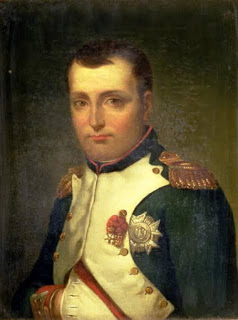
 NAPOLEON BONAPARTE
Occupation: Emperor of France
Born: August 15, 1769 at Ajaccio, Corsica, France
Died: May 5, 1821 at St. Helena, United Kingdom
Best known for: A brilliant military commander, conquered much of Europe
Nickname: Little Corporal
Biography: –
Where did Napoleon grow up?
Napoleon Bonaparte was born on August 15, 1769 in the city of Ajaccio on the island of Corsica. His father was Carlo Buonaparte, an important attorney who represented Corsica at the court of the French King. He had four brothers and three sisters including an older brother named Joseph.
Early Life:-
Coming from a fairly wealthy family, Napoleon was able to attend school and get a good education. He went to a military academy in France and trained to become an officer in the army. When his father died in 1785, Napoleon returned to Corsica to help handle the family’s affairs.
While in Corsica, Napoleon became involved with a local revolutionary named Pasquale Paoli. For a while he helped Paoli in fighting against the French occupation of Corsica. However, he later changed sides and returned to France.
French Revolution:-
While Napoleon was in Corsica, the French Revolution occurred in Paris, France. The people revolted against the King of France and took control of the country. The royal family and many aristocrats were killed.
Upon Napoleon’s return, he allied himself with a radical group of the revolutionaries called the Jacobins. He received a position as the artillery commander at the Siege of Toulon in 1793. The city of Toulon was occupied by British troops and the British navy had control over the port. Napoleon came up with a strategy that helped to defeat the British and force them out of the port. His military leadership in the battle was recognized by the leaders of France and, at the young age of 24, he was promoted to the position of brigadier general.
Military Commander :-
In 1796, Napoleon was given command of the French army in Italy. When he arrived in Italy, he found the army to be poorly organized and losing to the Austrians. Napoleon, however, was an ambitious man and a brilliant general. He used superior organization in order to move troops rapidly around the battlefield so they would always outnumber the enemy. He soon drove the Austrians out of Italy and became a national hero.
Becoming Dictator :-
After leading a military expedition in Egypt, Napoleon returned to Paris in 1799. The political climate in France was changing. The current government, called the Directory, was losing power. Together with his allies, including his brother Lucien, Napoleon formed a new government called the Consulate. Initially, there were to be three consuls at the head of the government, but Napoleon gave himself the title of First Consul. His powers as First Consul essentially made him dictator of France.
Ruling France :-
As the dictator of France, Napoleon was able to institute a number of government reforms. One of these reforms was the famous Napoleonic Code. This code said that government positions would not be appointed based on a person’s birth or religion, but on their qualifications and ability. This was a big change in the French government. Before the Napoleonic Code, high positions were given to aristocrats by the king in return for favors. This often led to incompetent people in important positions.
Napoleon also helped to improve the French economy by building new roads and encouraging business. He reestablished the Catholic Church as the official state religion, but at the same time allowed for freedom of religion to those who weren’t Catholic. Napoleon also set up non-religious schools, so anyone could get an education.
his head, but instead crowned himself.
Conquering Europe
Initially, Napoleon maintained peace in Europe, however, soon France was at war with Britain, Austria, and Russia. After losing a naval battle against Britain at the Battle of Trafalgar, Napoleon decided to attack Austria. He soundly defeated the Austrian and Russian armies at the Battle of Austerlitz in 1805. Over the next several years, Napoleon expanded the French Empire. At its greatest extent in 1811, France controlled much of Europe from Spain to the borders of Russia (not including Britain).
Invasion of Russia :-
In 1812, Napoleon made his first major mistake. He decided to invade Russia. Napoleon marched a huge army to Russia. Many of them starved to death along the way. After a fierce battle with the Russian army, Napoleon entered Moscow. However, he found the city deserted. Soon, the city was on fire and many of the supplies were burned. As winter approached, Napoleon’s army ran out of supplies. He had to return to France. By the time he returned to France, most of what was left of his army had died from the weather or starved to death.
Exile on Elba :-
With much of Napoleon’s army decimated from the invasion in Russia, the rest of Europe now turned on France. Despite winning a few victories, Napoleon had too small an army and soon was forced into exile on the island of Elba in 1814.
Return and Waterloo
Napoleon escaped from Elba in 1815. The army quickly backed him and he took over control of Paris for a period called the Hundred Days. The rest of Europe, however, would not stand for a return of Napoleon. They gathered their armies and met him at Waterloo. Napoleon was defeated at the Battle of Waterloo on June 18, 1815 and was once again forced into exile. This time on the island of Saint Helena.
Death :-
Napoleon died after six years of exile on Saint Helena on May 5, 1821. It is likely that he died from stomach cancer. His remains were moved to France in 1840 to Les Invalides in Paris.
Napoleon’s power and control continued to grow with his reforms. In 1804, he was crowned the first Emperor France. At the coronation, he did not allow the Pope to place the crown on.
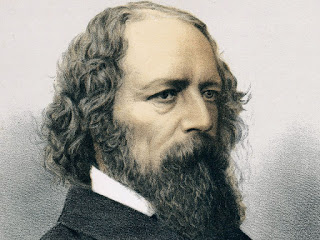 Alfred Lord Tennyson
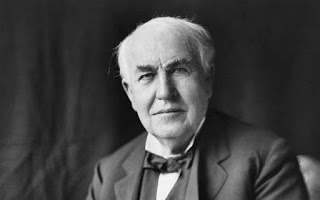 THOMAS EDISON
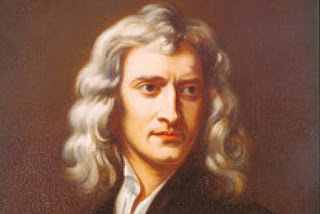 ISAAC NEWTON
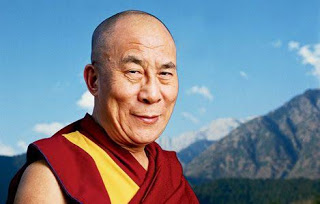 DALAI LAMA
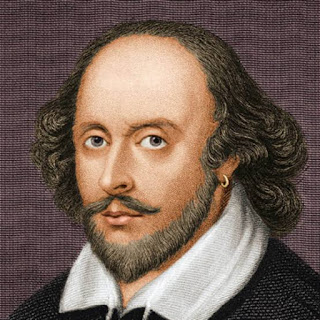 William Shakespeare
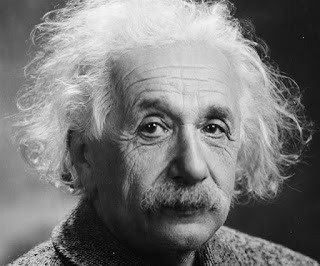 Albert Einstein
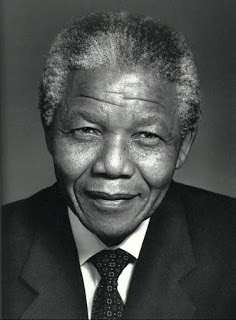 NELSON MANDELA
 ABRAHAM LINCOLN
  Rabindranath Tagore
 Ego
Ego 